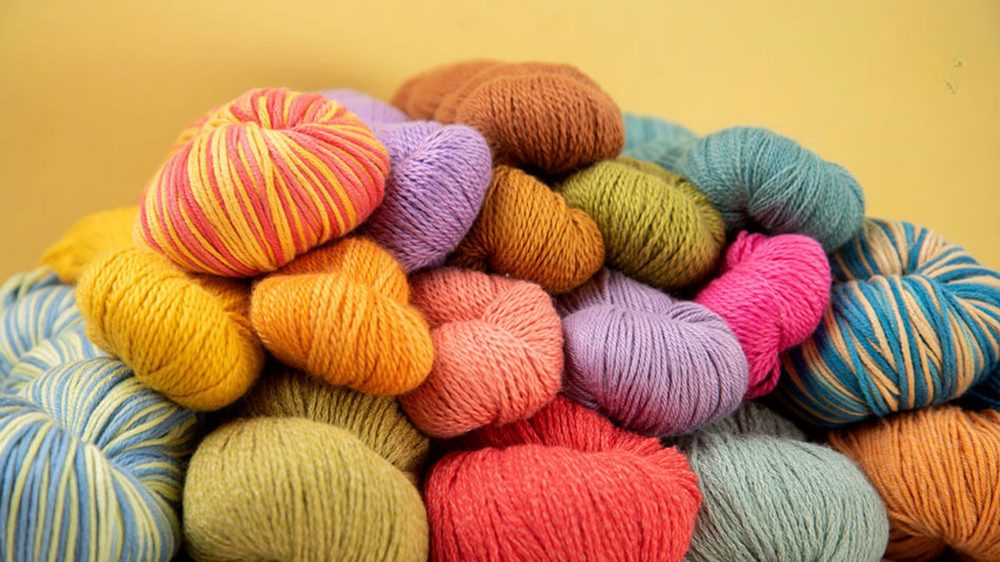
In every Peruvian home, there’s a “just in case” bag. Loose buttons, leftover zippers, fabric scraps, that bag full of other bags. No one knows exactly what it’s for, but no one dares throw it away.
The drawer of leftover yarn is its close cousin.
That’s where the leftovers live. Half a ball of blue alpaca yarn left over from a cowl. Thirty meters of green merino that weren’t enough for anything else. A little tangle of mismatched colors accumulated project after project, sitting there for months, waiting.
You can’t throw it away. It’s good yarn. But you’re not quite sure what to do with it, either.
Sound familiar?
Here are five practical projects to try. But first, here’s what will really help you get started: figuring out what you can make with the yarn you already have.
In this guide, you’ll discover:
- How to estimate how much yarn you have left and what you can make with it
- 5 practical projects based on the amount of leftover yarn available
- How to combine different colors without making the result look accidental
- What little extras you may need to buy to make your leftovers work
- Answers to the most common questions
Before choosing a project: how much yarn do you have left?
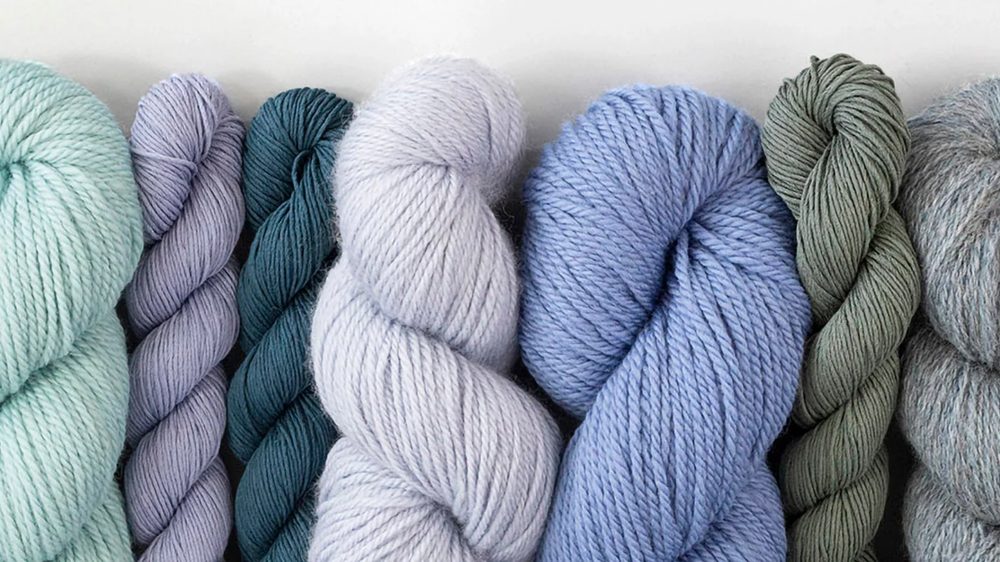
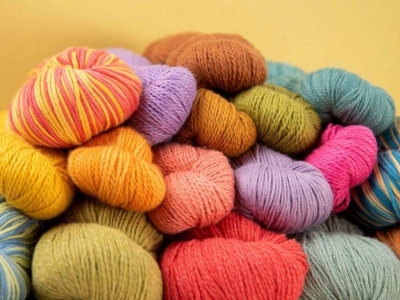
Group your leftovers by yarn weight: chunky with chunky, fine with fine. This will determine which projects are possible with each group. Then, if you like, sort them by color family, too.
If you have no idea how much yarn you have left, wrap it around two fingers held slightly apart about ten times. If the resulting mini ball looks substantial, you probably have enough for something. If it barely covers a couple of loops, save it for fringe or finishing details.
Now, here’s the table that really solves the problem:
| What you have left | What it can become |
| Less than 20 m | Pom-poms · fringe · bookmarks · amigurumi eyes and details |
| 20 – 50 m | Patches · contrasting borders · one large patchwork square |
| 50 – 100 m | Sweater cuffs and collar · baby hat · mittens |
| 100 – 150 m | Striped adult hat · small cowl |
| More than 150 m | It’s no longer a leftover. It’s a project. |
Tip: always keep the label for each yarn quality with its leftovers. Knowing whether a leftover is YANA or MAMACHA will save you plenty of guesswork when you want to combine it with something new.
Project 1: Knitted bookmarks
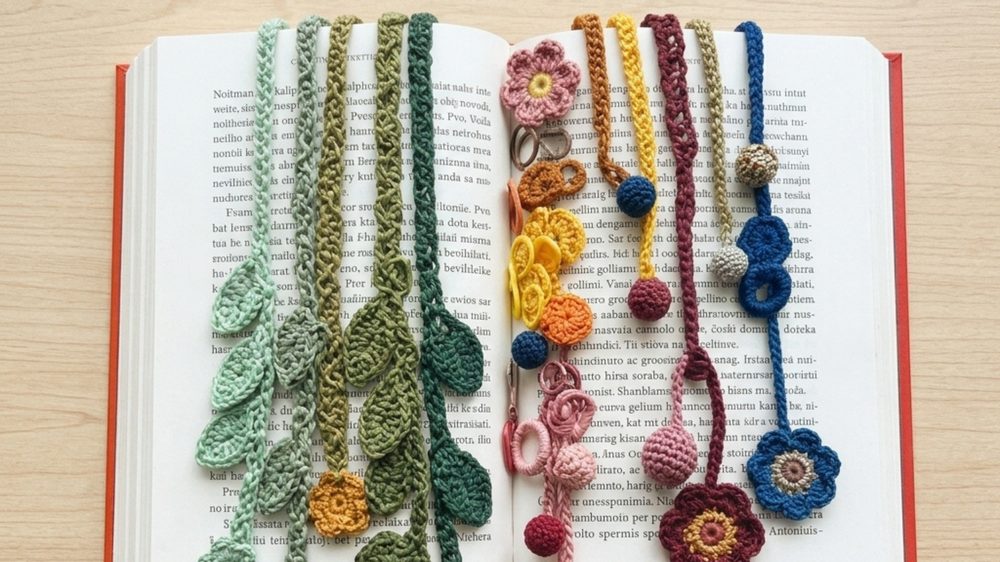
How much yarn do you need? Very little. Literally, the tiniest leftovers in your drawer.
A knitted bookmark is the perfect project for those final few meters that aren’t enough for anything else.
You can knit one in garter stitch, crochet a chain, or even create a braided design. In less than an hour, you’ll have a functional, beautiful accessory that, if you choose to give it as a gift, has a charm no paper bookmark can match.
How to make one: knit a long, narrow strip about 20 cm long in your preferred stitch. If you have several colors, create stripes by changing colors every few centimeters. Secure the ends and, if you like, add a small pom-pom or fringe to the tip.
Fine yarns such as SAMI or TURAY are especially suitable for delicate bookmarks with a beautiful finish.
Project 2: Color squares for a patchwork blanket
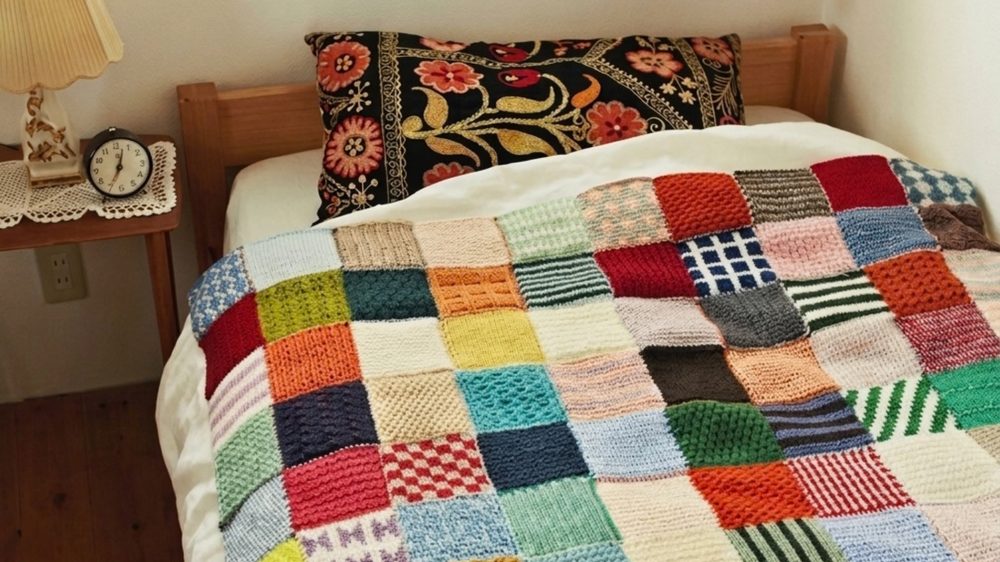
How much yarn do you need? One medium-sized leftover in each color, enough to knit a 10 × 10 cm square.
This is one of the most satisfying projects you can make with leftover yarn, and also one of the most time-consuming, in the best possible way. Each square is small and quick to knit, but together they tell the story of all your previous projects.
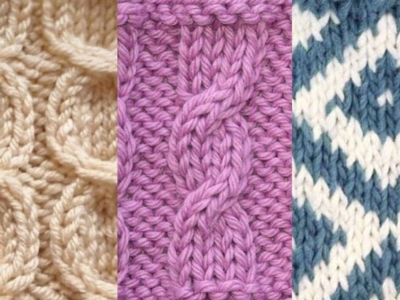
The idea is simple: knit squares of the same size using each leftover yarn, then join them to create a blanket, table runner, or cushion with its own unique character. Each square can be a different color, stitch pattern, or even technique. That’s exactly what makes the finished piece so special.
The secret to getting the size right: decide on a single square size before you begin and stick to it. Make them all 10 × 10 cm or 15 × 15 cm. Consistent sizing is what allows different colors and stitch patterns to work together as a cohesive whole.
What almost nobody plans for: the joining color and border. These should be made using the same yarn quality and color, and you’ll need quite a bit of it. This is what turns twenty individual squares into a blanket. It’s worth buying the yarn from the start, because running short halfway through joining the squares means putting the project on hold.
For this project, it’s best to combine leftover yarns of the same weight. If you have several YANA leftovers in different colors, a patchwork blanket is a project that practically knits itself, one square at a time, one afternoon at a time.
Explore YANA colors for joining your squares →
Project 3: Pom-poms and decorative garlands
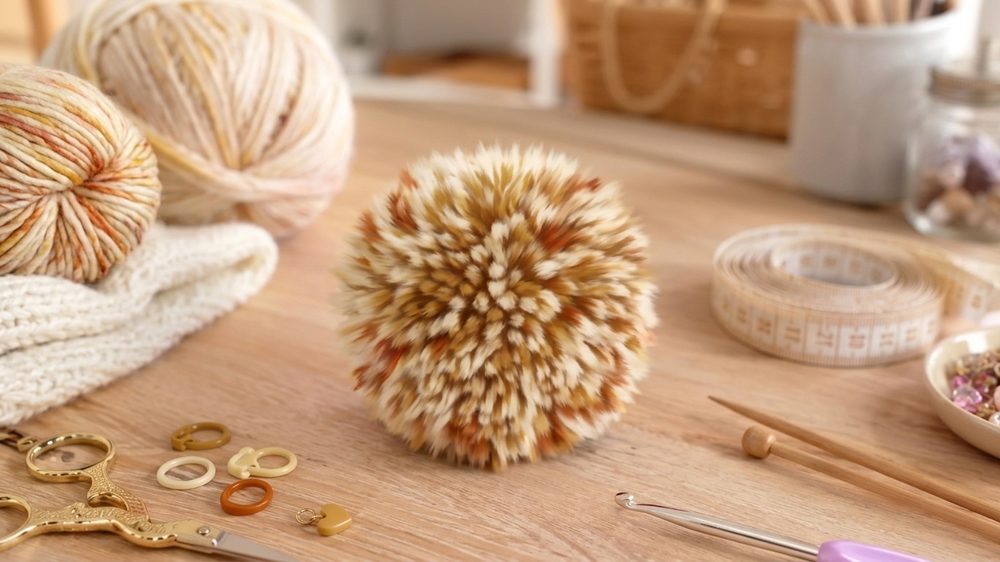
How much yarn do you need? Any amount. The more variety, the better.
Pom-poms are one of the quickest, most therapeutic, and most versatile ways to use leftover yarn. Turn them into keychains, bag charms, baby room mobiles, or garlands to decorate any corner of your home.
A garland made of pom-poms in different sizes and colors, hung on a wall or in a window, is one of those decorations that always gets compliments—and no one would guess it started with leftovers from a drawer.
How to make a pom-pom without a tool: wrap the yarn around two or three fingers held together about 40 or 50 times. Carefully slide the loops off your fingers, tie them tightly in the middle with a piece of the same yarn, and cut through the loops on both sides. Shape the pom-pom with scissors, and you’re done.
Bulky yarns such as MAMACHA, or any chunky yarn quality, create the fluffiest, most photogenic pom-poms. Fine yarns produce denser pom-poms with more definition.
Project 4: Patches and appliqués for clothing or accessories
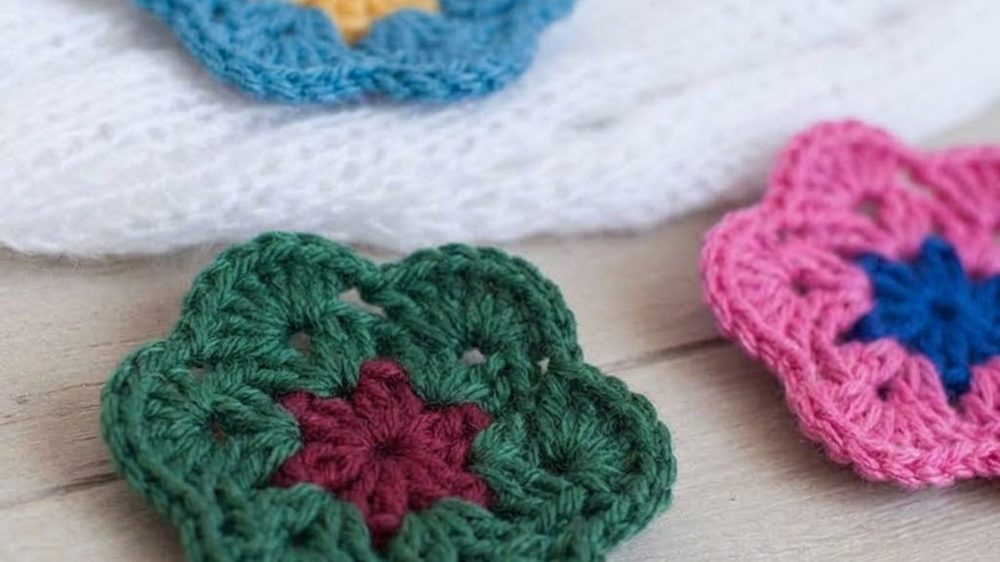
How much yarn do you need? Very little. With 20–50 m, you can make several.
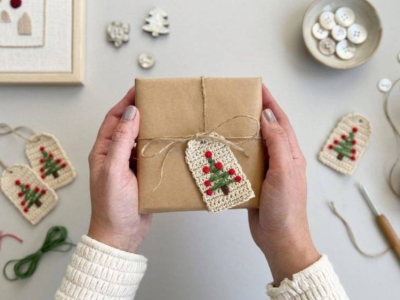
This may be one of the most unexpected ideas on the list and one of the most useful. A knitted patch can give an old garment a second life, personalize a backpack, creatively cover a hole, or simply add a handmade detail to something that once felt generic.
You can knit patches in the shape of a circle, heart, leaf, star, or any shape you can create with your chosen stitch. Once finished, simply sew the patch by hand onto your chosen garment or accessory.
Here’s a twist worth knowing: repairs no longer have to be hidden. They can be shown off. Visible mending is a movement that celebrates repair rather than concealment. A knitted patch in a contrasting color becomes a statement of style and values in a world where repairing something has become more interesting than replacing it.
For more durable patches, use leftover yarn containing some sheep’s wool, such as WARMI. Wool has a natural grip that helps the patch stay securely stitched to the fabric.
Project 5: Mini home accessories, coasters, napkin rings and hanging ornaments
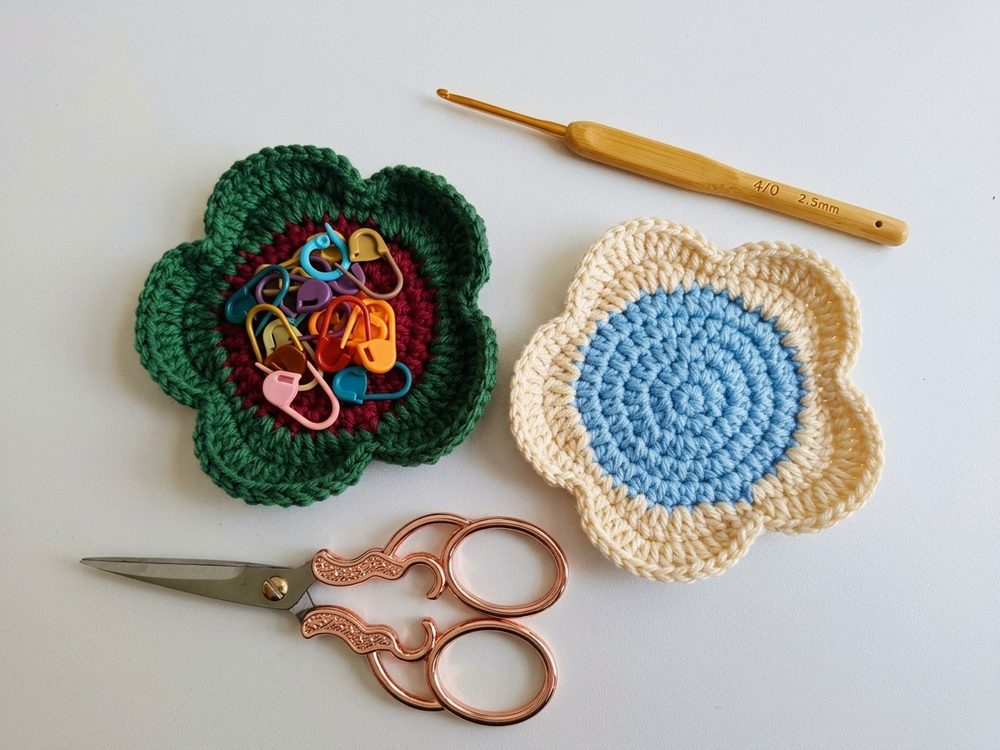
How much yarn do you need? Very little for each item, making these projects perfect for your smallest leftovers.
Small home décor projects are ideal for yarn scraps that aren’t even enough for a bookmark but that you still don’t want to throw away. A garter-stitch coaster, a ribbed napkin ring, or a small kitchen hanging ornament: they’re all quick, useful, and add that handmade touch to your home that mass-produced objects often lack.
If you have the time and feel inspired, making a set of four coasters in different colors from previous projects can become one of those gifts people always appreciate.
For heat-resistant coasters, prioritize leftover cotton or wool yarn, as these fibers generally tolerate heat better than silk blends or very delicate fibers.
How to combine leftover yarn without making it look accidental
Combining colors that were never intended to go together is the real challenge of any leftover-yarn project. Three rules can solve the problem almost every time:
Repeat one color. If the same shade appears in several places throughout the project, even as a thin stripe, the eye reads it as intentional. Repeating a color brings order to everything else.
Give the colors room to breathe with a neutral. Natural undyed, stone gray, or natural black. A neutral shade separates two competing colors and helps them coexist. That’s why patchwork blankets with a neutral background often look more harmonious than those made entirely of bright colors.
Try the black-and-white photo test. Take a photo of all your leftover yarns together and convert it to black and white. If they all appear as the same shade of gray, the project may look flat, no matter how colorful it is. You need contrast between light and dark, not just different colors.
Your leftover yarn usually needs a partner
There’s something most leftover-yarn guides never mention: a project made from scraps rarely uses scraps alone.
A patchwork blanket needs yarn for joining and edging. A striped hat often needs a base color. Contrasting cuffs are made to be added to a new garment. And that neutral shade that brings harmony to your color combination? You need to have enough of it.
It’s usually not much, often just one skein. But that’s what turns a pile of leftovers into a finished piece, and it’s precisely the amount people tend to overlook.
If you’re starting a leftover-yarn project, first check what you already have in your drawer, then buy that one missing piece.
Frequently asked questions
Can you mix different yarns in the same project?
Yes, with one important consideration: they should have the same yarn weight. Combining fine yarn with chunky yarn in the same piece can create uneven tension and distort the finished fabric. However, combining different yarn qualities of the same weight in different colors is exactly how some of the most original projects come to life.
What can I do with leftovers that are too small for anything?
Use them as stuffing for knitted cushions, to make tiny pom-poms, or save them for fringe and decorative finishing details. With mindful knitting, not a single meter needs to go to waste.
Can I combine natural and synthetic fibers in the same project?
Technically, yes. However, the finished fabric may feel and behave inconsistently. If your leftovers are made from natural fibers such as alpaca, merino, or Highland wool, we recommend keeping them together. The difference will show in the final result.
What is the quickest project on this list?
The pom-pom. Seriously. With just five minutes and any leftover yarn, you’ll have something finished in your hands. It’s the perfect starting point when you’re eager to make something but short on time.
Is it worth keeping alpaca yarn leftovers?
Absolutely. Alpaca fiber resists matting during storage better than some other wools, and a leftover piece of baby alpaca is still baby alpaca three years later. Just store it in a sealed bag with a little lavender or cedar, as moths are particularly attracted to natural fibers.
Leftovers aren’t the end of a project
They’re the beginning of the next one.
Every leftover strand has a story. It comes from something made with intention, time, and care. Giving it a new life isn’t just a practical or sustainable choice. It’s a way to keep that thread going, literally, from one project to the next.
At Amano Yarns, we develop every yarn quality using carefully selected natural fibers and a color palette inspired by the landscapes of Peru. And a good fiber doesn’t stop being good when a project ends: it remains valuable down to the very last strand.