Almost all of us have the same story.
You bought your first skein. It was beautiful, you chose it carefully, and you got home excited to start knitting. You found the end of the yarn, pulled… and sometime over the next twenty minutes, the skein was on the floor, your hands were tangled up, and that beautiful yarn had turned into a knot with a life of its own.
If this happened to you, welcome to the club. It happened to all of us. And it wasn’t your fault or the yarn’s. It was simply that no one explained that a skein and a ball of yarn aren’t used in the same way.
That’s what we’re going to clear up here: what each one is, why finer fibers almost always come in skeins, and how to wind one without the drama, even if you don’t have any special tools at home.
In this guide, you’ll discover:
- The real difference between a skein and a ball of yarn
- Why premium fibers come in skeins
- When each format is best
- How to wind a skein step by step (with or without a yarn swift)
- Which Amano yarn qualities are available in each format
What is the difference between a skein and a yarn ball?
The difference lies in how the yarn is presented.
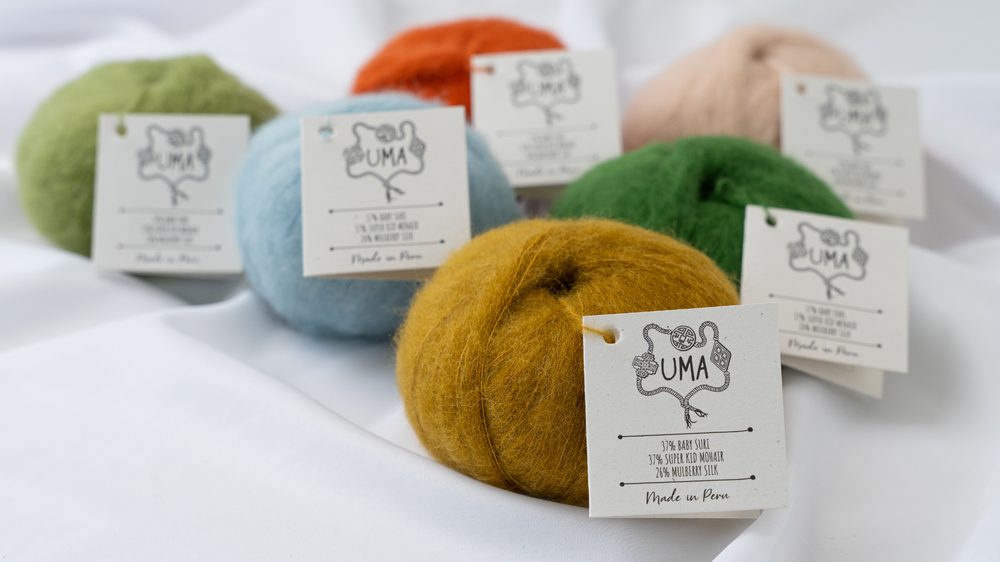
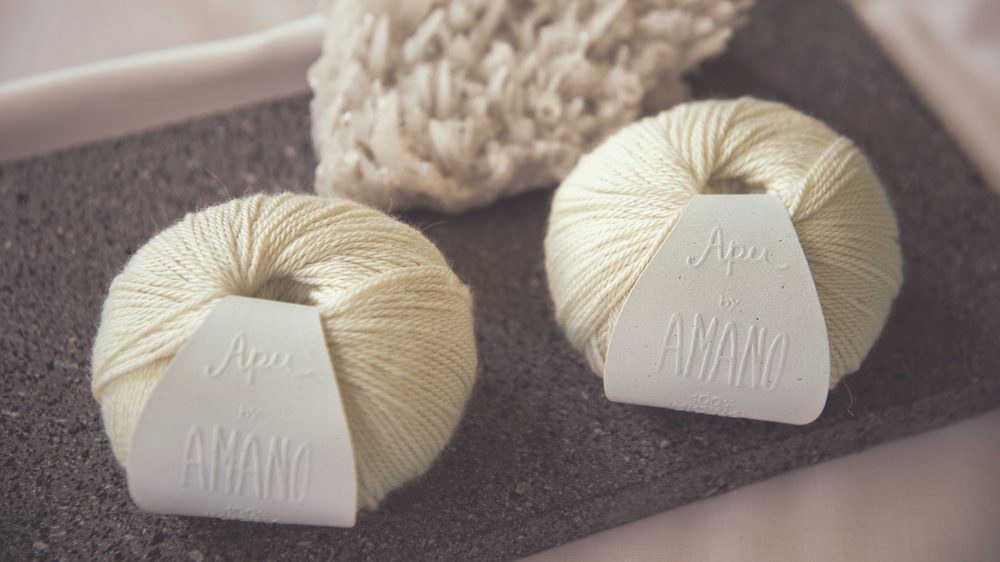
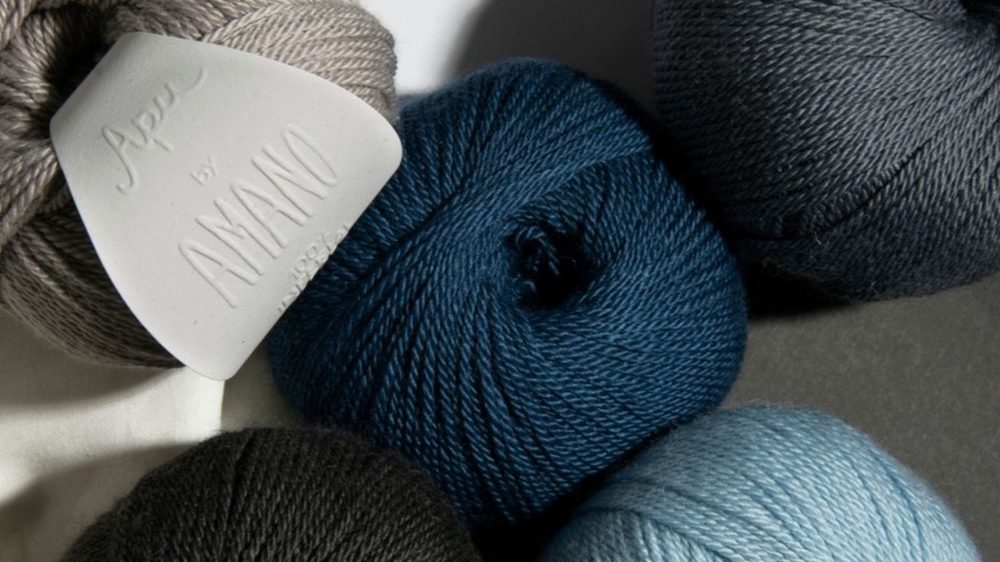
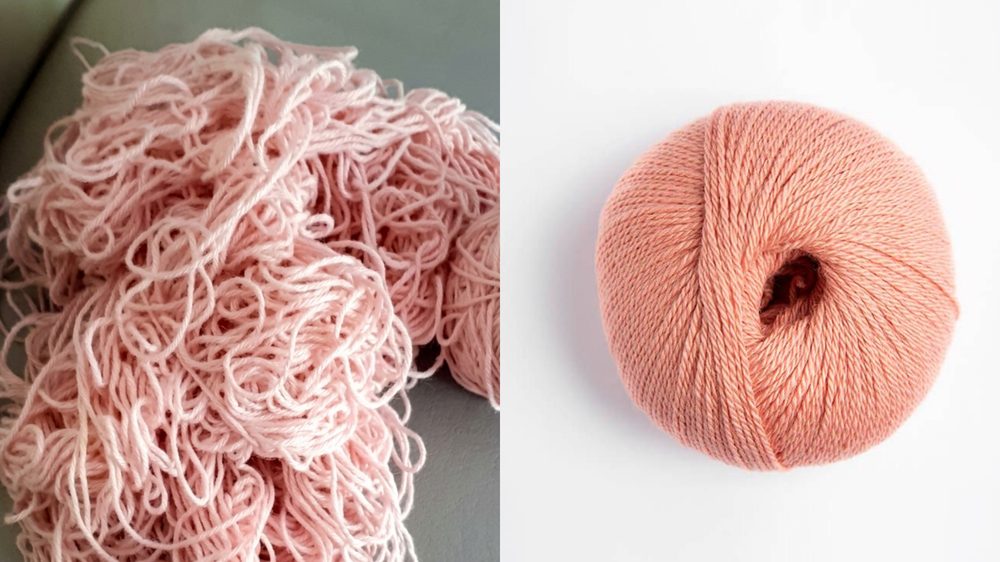
A ball of yarn is wound into a ball or cylinder and is ready to use right away. Simply find the end of the yarn and start knitting.
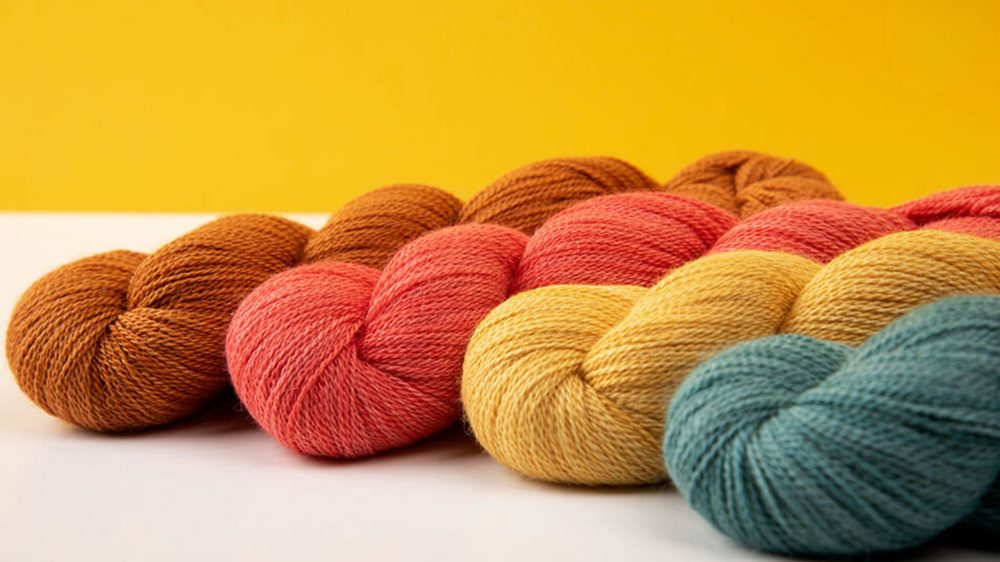
A skein, on the other hand, comes in a looped form, carefully folded to better preserve the fiber’s structure and quality. It is the format that puts the least tension on the fiber.
And this is the part almost no one explains properly: a skein isn’t ready to knit with. You need to wind it into a ball first.
That’s the whole difference. It may seem like a minor detail, but it’s the source of 90% of the yarn knots in the world.
Why Do So Many Fine Fibers Come in Skeins?
There’s a logic behind it that’s worth understanding, because it changes the way you see that “extra step.”
When yarn is wound into a ball, it remains under constant tension. It’s slight, but continuous. If that ball spends weeks or months in a warehouse, a container, or on a shelf, that sustained tension gradually stretches the fiber and reduces its elasticity, loft, and softness.
With synthetic fibers, this may not make much of a difference. But with baby alpaca, merino, Pima cotton, and silk, it does. Those are precisely the qualities you’re paying for.
A skein solves this: the yarn rests loosely, without tension, preserving its natural structure until the day you decide to knit with it.
In other words, a skein isn’t an inconvenient format. It’s a format designed to protect the fiber. Those ten minutes spent winding it are the small price you pay to receive the fiber just as it left the mill.
Now, this doesn’t mean that a skein is synonymous with quality, or that a yarn ball is the opposite. There are excellent-quality fibers that come in yarn balls not simply for the sake of convenience, but because they don’t require the skein format. And that’s exactly what we’re about to explain.
Explore all collections available in the Amano Yarns online store
Benefits of choosing a skein
Preserves the fiber’s natural structure: it arrives with all its original loft and softness.
Zero tension during storage: no matter how long it stays stored.
It is the best format for fibers with high elasticity and volume, which are the most susceptible to tension.
Allows for artisanal dyeing: hand-painted colorways, like those in YANA Journeys, are only possible in skein form because the dye needs to reach the yarn while it is fully spread out.
Can be stored for years without losing its shape: if you’re the kind of person who buys yarn before having a project—and we know you are—the skein is your best ally.
Ideal for special projects: for these reasons, many knitters prefer working with skeins when making a special garment, an important gift, or a project that will take time.
When should you choose a yarn ball?
When you want to start today.
A ball of yarn requires no preparation: open it, find the end, and start knitting. That’s it. And there are times when that’s exactly what you need.
It’s the best option if:
- You’re learning to knit. You already have enough to think about while learning your stitches without having to wrestle with a skein, too.
- It’s a quick project: a hat for the weekend or a last-minute gift scarf.
- You’re making small projects or accessories.
- You simply want to start right away and don’t feel like winding a skein. That’s a perfectly valid reason.
Neither format is inherently better than the other. And keep in mind that a yarn ball isn’t just for beginners or quick projects: some of our finest fibers come in this format for technical reasons.
Let me tell you why.
How to wind a skein properly
This is where you either win or lose the battle. Ten minutes done right or an hour spent untangling. Let’s take it step by step.
First: Don’t Cut Anything Yet
A skein is twisted in on itself for transportation. Untwist it and you’ll see it open into one large loop. That’s when you’ll find the yarn tie holding it together, usually one or two, sometimes at different points around the loop.
Cut the tie at the end, not at the beginning. This is the classic mistake: cutting it before the skein is properly spread out and stable. Without that tie, the loop can unravel on its own.
Second: Spread It Out and Stabilize It
The skein needs to be completely open and held under gentle tension. If you have a yarn swift, perfect. If you don’t, which is the case for most of us, these alternatives work just as well:
- Two chair backs, placed just far enough apart for the loop to stay taut without being stretched.
- Someone’s knees, if you have someone who loves you enough to help. The classic method, and honestly, the best one: they can feed the yarn as you wind.
- Your own knees, while sitting with the loop around them. It works, although it’s a little slower.
Before moving on, check that none of the strands in the loop are crossed over one another. Five seconds of checking can save you twenty minutes of disaster.
Third: Only Now, Cut the Tie and Find the End
With the skein open and supported, cut the yarn tie holding it together. Find one of the two loose ends, they’re usually woven into the tie itself.
Fourth: Wind with Even Tension
Wind slowly, changing direction every few turns so the ball stays round instead of becoming spool-shaped.
And here’s the most important tip of all: don’t pull too tightly. The temptation to make a perfectly firm ball is strong, but a tightly wound ball stretches the fiber and takes away exactly the elasticity you were looking for when you bought a high-quality fiber.
Wind it loosely. The ball may look less tidy, but your finished garment will be better.
If it still gets tangled: be patient and don’t pull. Pulling only tightens the knot. Loosen it with your fingers, working from the outside in. And if it’s especially stubborn, cut the yarn and join it again. A well-hidden join won’t show; damaged fiber will.
Explore all collections available in the Amano Yarns online store
Can you knit directly from a skein?
You can. You shouldn’t.
And this isn’t just advice from a manual, it’s what happens physically. A skein doesn’t have a fixed center, so when you pull the yarn, it starts twisting around itself. With every turn, strands that were running parallel begin to cross over one another.
At first, you don’t notice anything. You knit peacefully for twenty minutes… and then, suddenly, the yarn won’t pull through anymore, and you’re left with a knot where you can’t even tell where it starts or ends.
Ten minutes of winding or an hour of untangling. That’s the real choice.
Where to buy skeins and yarn balls made from natural fibers?
Choosing the right fiber is the first step toward creating a project worth making.
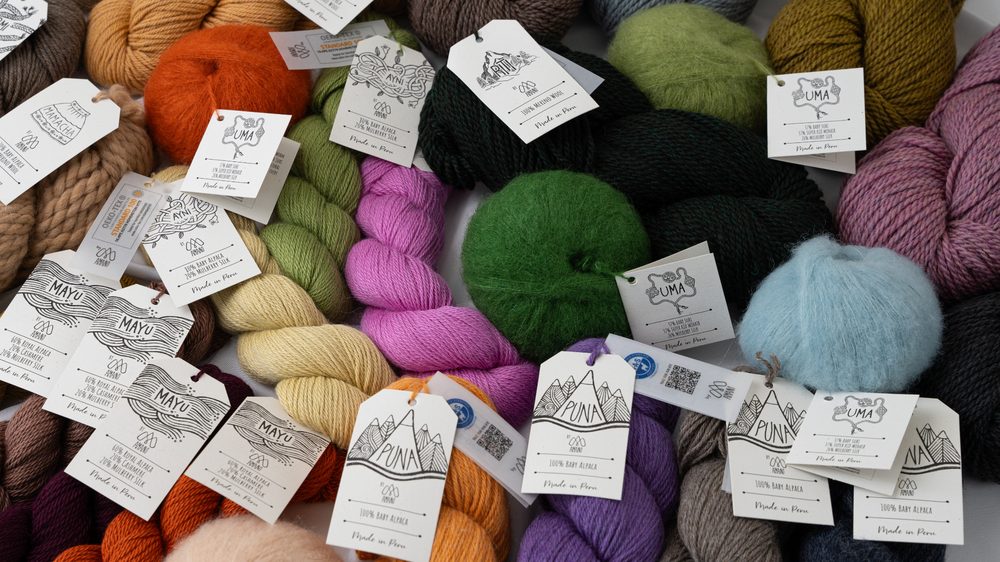
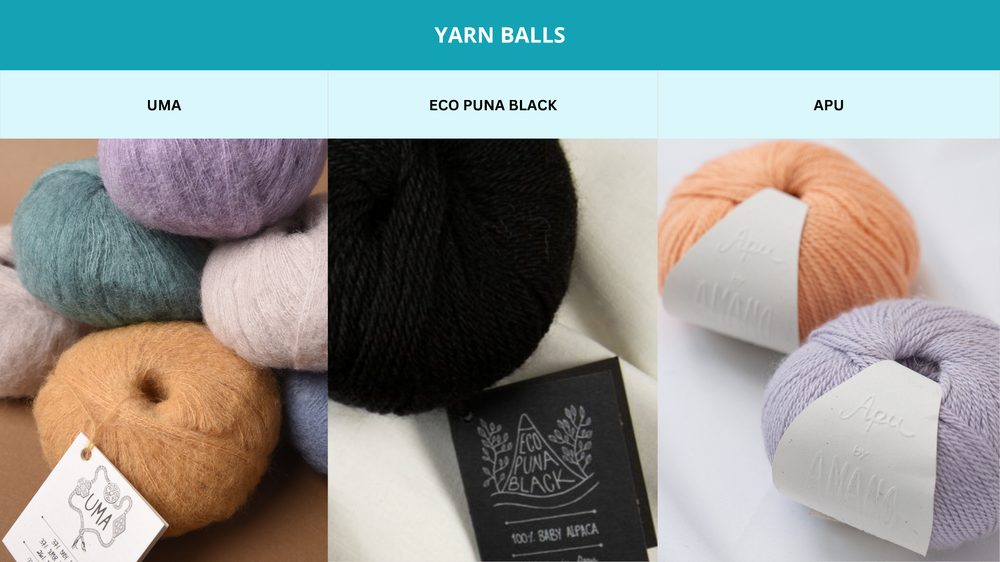
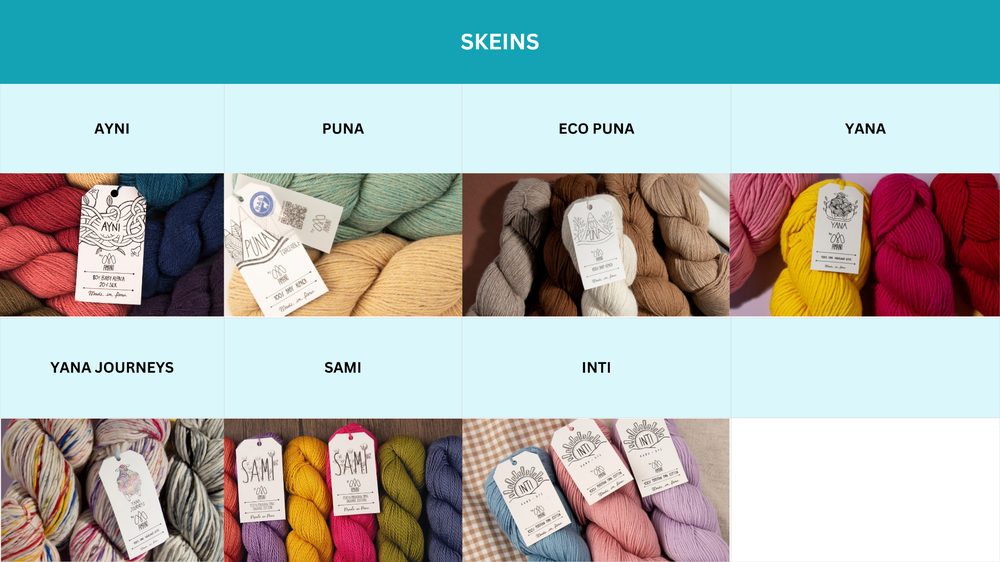
At Amano Yarns, you can explore a wide collection of skeins and balls of yarn made from some of the world’s most prized natural fibers, including alpaca, baby alpaca, organic Pima cotton, merino, linen, silk, and exclusive blends.
Some of the available yarn qualities include:
Yarn balls
Skeins
Frequently asked questions
How long does it take to wind a skein into a ball?
Between 8 and 15 minutes if you spread it out properly first. With practice, even less. If it’s taking much longer, it’s almost always because the skein wasn’t fully opened before you started.
Can a ball be turned back into a skein?
Yes, and sometimes it’s worth it: if you’re going to store a fine fiber for a long time without using it, returning it to skein form prevents it from sitting under tension. You do this by wrapping the yarn around something long, the back of a chair works perfectly, and tying it in two or three places.
I bought a skein and don’t have a swift, what do I do?
No problem. The backs of two chairs or someone’s outstretched hands work perfectly well, and that’s how it’s always been done. A swift speeds up the process, it doesn’t make it possible.
Why does my ball fall apart while I’m knitting?
This usually happens when the ball was wound too loosely on the outside, or when you’re pulling from the outer end. Try pulling the yarn from the center of the ball instead, it stays in place and won’t roll across the room.
At Amano, everything starts with the fiber
Every project begins with a decision: what you’re going to knit it with.
At Amano Yarns we develop each quality to inspire new creations, with carefully selected natural fibers and a color palette born from the landscapes of Peru.
And we choose the presentation of each one — skein or ball — based on what works best for that particular fiber, not on what is easiest to ship. Whether your next project begins with a skein or a ball, the quality of the fiber will show in every stitch.
Explore all collections available in the Amano Yarns online store