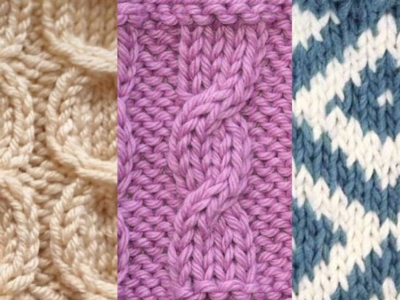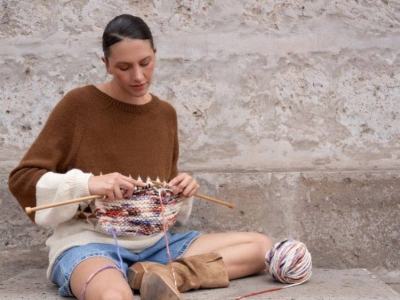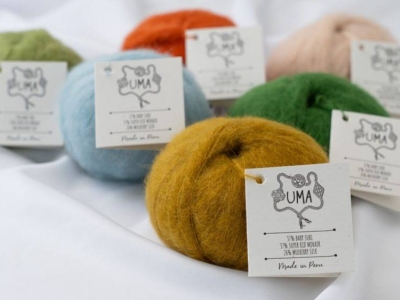
Not so long ago, knitting was that thing grandma did in her armchair while watching television. Today, it is a different story.
Needles started appearing in coffee shops, parks, and airplanes. Yarn took over TikTok and Instagram. People in their 20s, 30s, and 40s who had never knitted a single row began searching for tutorials, joining groups, and buying their first skein with the same excitement they once reserved for buying clothes.
And the numbers confirm it is not just an impression. The global yarn market is estimated at around 8.7 billion dollars and could surpass 14 billion in the next decade. In the United States alone, more than 30 million people knit. And the profile has shifted: around 40% of millennials and Gen Z now participate in knitting or crochet, and nearly half of them consider it a wellness activity.
What is happening? Why now?
The answer is not a single one. Let’s look at some of the reasons behind this shift.
In this guide you will find:
- Why knitting became a way to give your mind a rest
- How handmade went from old-fashioned to desirable
- What knitting has to do with consuming differently
- Where to start if you have never knitted before
Knitting is the pause no one knew they needed
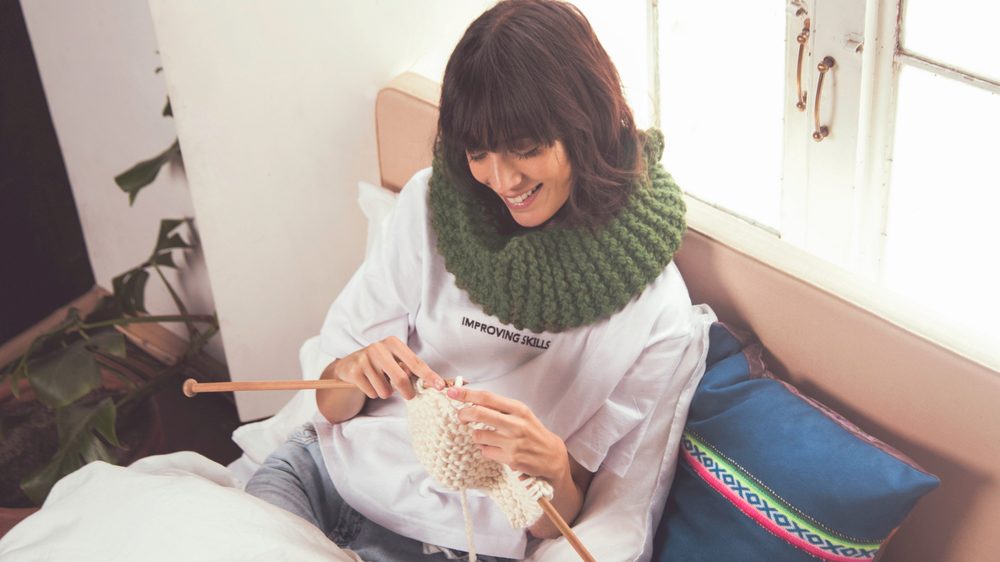
We live in the era of endless notifications, infinite feeds, and the constant feeling that there is always something you are not doing.
In this context, knitting feels like something almost revolutionary, an activity that forces you to be present, to look at what you have in your hands, to count stitches, to breathe.
It is no coincidence that psychologists and therapists have been talking about knitting as a wellness practice for years.
There is something in the repetitive movement of the needles that closely resembles what happens in meditation: attention anchors to a single thing and the background noise fades.
The focus that a pattern demands leaves little room for ruminating on everything else. And there is a concrete reward at the end of every session: a few centimeters of fabric that did not exist before, something few activities offer so consistently.
Put simply: knitting calms the mind. And right now, that is worth a great deal.
Where to start if you are looking for that pause?
To feel that effect from the very first project, the ideal combination is a yarn that flows easily and a simple project that moves along quickly. Nothing kills motivation faster than a first attempt that goes nowhere.
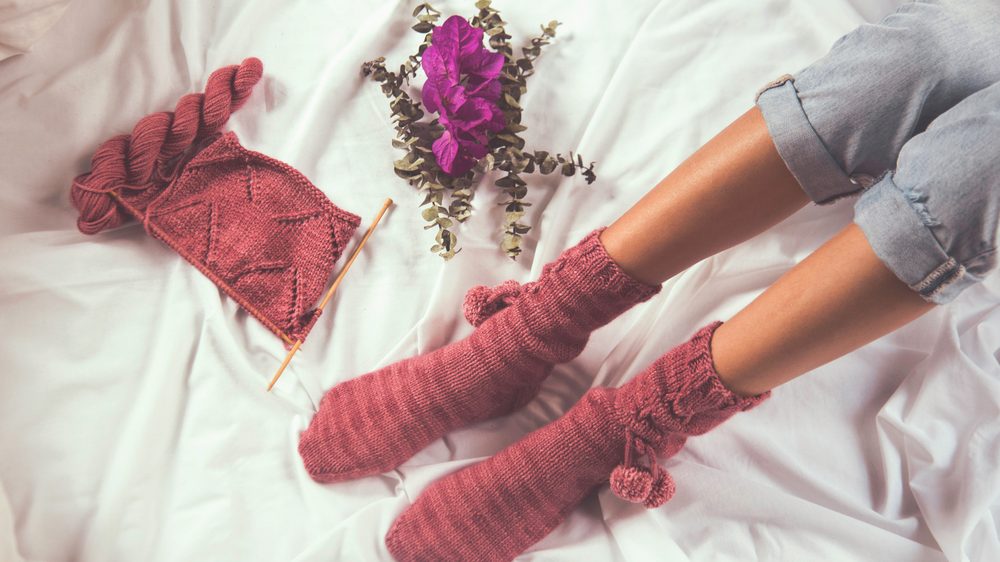
YANA, 100% Fine Peruvian Sheep Wool, is perfect for that first moment: chunky, beginner-friendly, and with colors that inspire before you even cast on.
Because fashion changed and handmade became desirable again
For decades, fast fashion dominated everything. Cheap clothing, mass-produced, disposable. A new trend every week. Closets full, yet nothing to wear.
New generations, especially Millennials and Gen Z, began asking uncomfortable questions: Who made this clothing? Under what conditions? How long will it last? What happens when you throw it away?
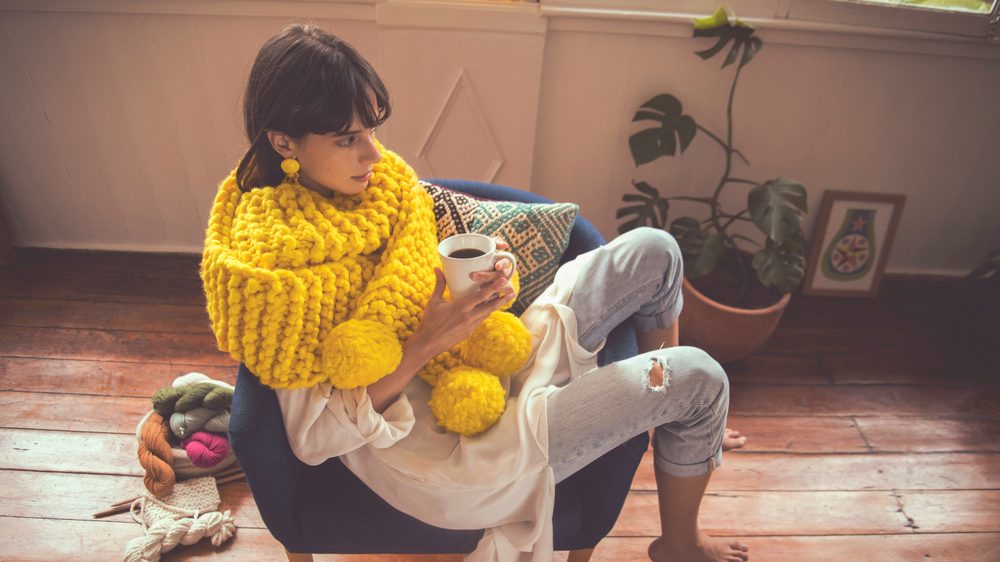
Through this process of questioning, handmade stopped being outdated and became exactly the opposite, a statement of values. A hand-knitted garment is unique, carries a story, reflects hours of work, and lasts for years.
Runways validated it. Chanel, Max Mara, and many independent brands have featured knitted pieces in their most recent collections. Craft is no longer the opposite of fashion: it’s at its center.
Because consuming differently became a necessity and knitting is the most direct answer
Questioning the clothes we wear is easy. Knowing what to do about it is another matter.
Knitting is one of the most concrete and accessible answers there is. Every knitted garment is a garment that lasts for years, that can be repaired when needed, and passed down.
And that is where fiber matters more than it might seem. Natural fibers, alpaca, merino, organic cotton, have an incomparably lower environmental footprint than petroleum-derived synthetics. They do not release microplastics when washed.
Every wash cycle of an acrylic garment releases thousands of tiny plastic fibers that end up in the water. A garment made of alpaca or wool does not. And when it reaches the end of its useful life, a natural fiber biodegrades, a synthetic one stays.
Choosing what you knit with is also a political decision. And more and more knitters know it.
The Amano fibers that support that commitment
At Amano Yarns we work with natural fibers of Andean origin: baby alpaca, merino wool, organic Pima cotton, and exclusive blends developed with the care that both the fiber and the planet deserve. Every skein has traceable origin and comes with the story of where it came from.
Questions we get asked all the time
Is it hard to learn to knit from scratch?
Much less than it seems. The basic stitches can be learned in an afternoon. What does take time, and is the most enjoyable part, is finding your own rhythm and style.
How long does a basic project take?
A hat in bulky yarn can be finished in a single afternoon. A sweater, depending on the complexity, takes anywhere from two weeks to a month at a relaxed pace. The key is choosing the right project for the moment.
What is the most recommended yarn for beginners?
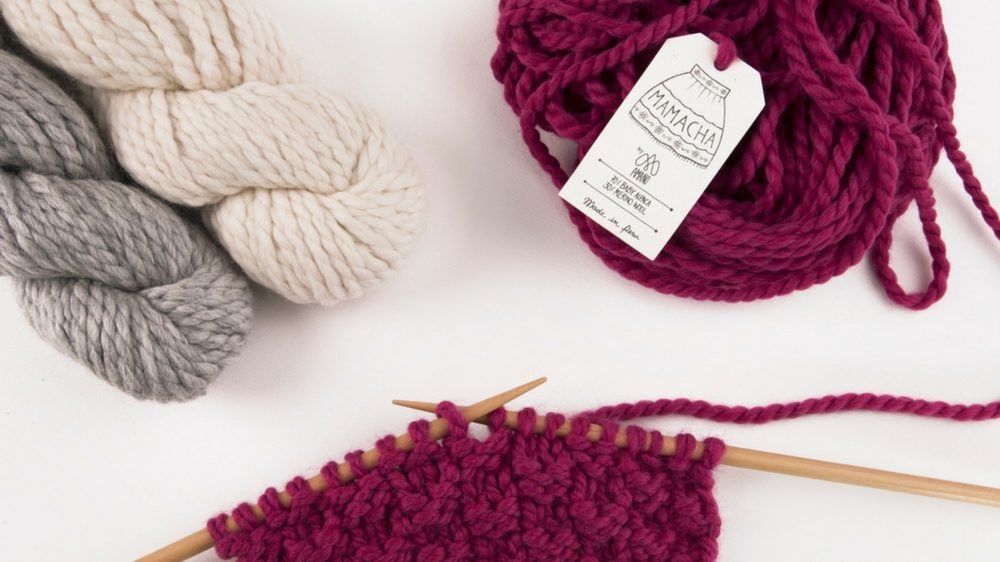
One where the stitches are easy to see, that doesn’t tangle, and that motivates you with its color or feel. YANA checks all of those boxes and then some. Avoid very fine or very fluffy fibers at the beginning: they hide the stitches and make it hard to spot where you went wrong.
Can you knit if you don’t have much time?
Yes. In fact, that is one of the reasons knitting works so well in modern life: you can pick it up and put it down. Ten minutes on the commute, half an hour before bed, a Sunday afternoon. The knitting always waits exactly where you left it.
Ready to be part of this trend?
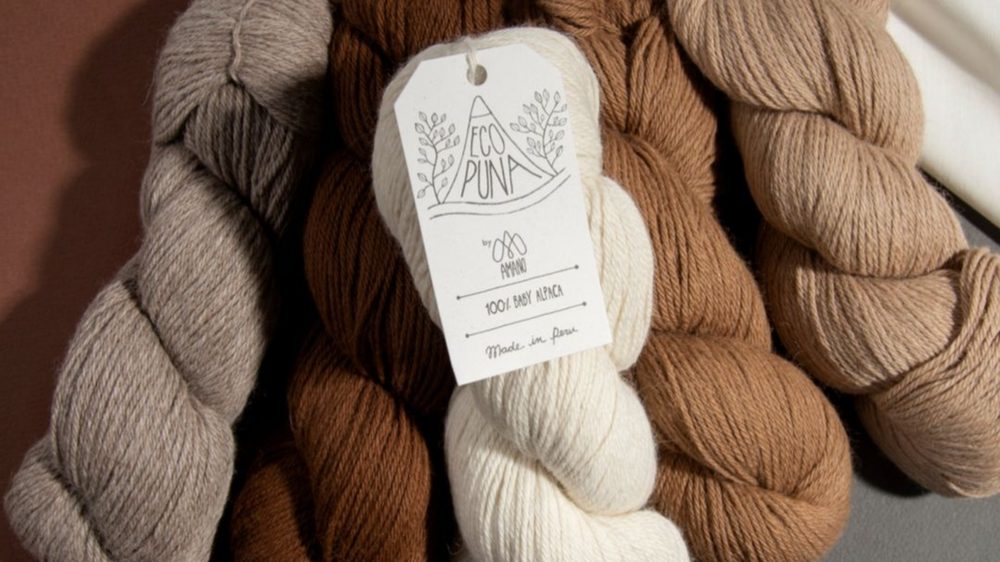
Every project begins with a decision: what you are going to knit it with.
At Amano Yarns we develop each quality to inspire new creations, with carefully selected natural fibers and a color palette born from the landscapes of Peru. Because knitting well starts with choosing well, and the quality of the fiber will show in every stitch, every row, every garment that lasts for years.
Whether you start at a workshop or alone at home on a Sunday afternoon, just start.