We know you love to knit, and that it is very important for the fiber you use to be of high quality so that your projects are durable. That is why today we want to share some fascinating details about alpaca fiber, one of the most treasured gems in the textile world.
Alpaca is recognized as one of the softest and finest fibers that exist. Its softness can be felt from the very first touch to the finished project, turning every stitch into a unique sensory experience. In addition, it is warmer and more durable than sheep’s wool and cashmere, making it a privileged choice for those who want garments that last for years.
In the Peruvian Andes, alpaca has been part of the textile tradition for thousands of years. Ancient textiles that are still preserved today are proof of its resistance and beauty.
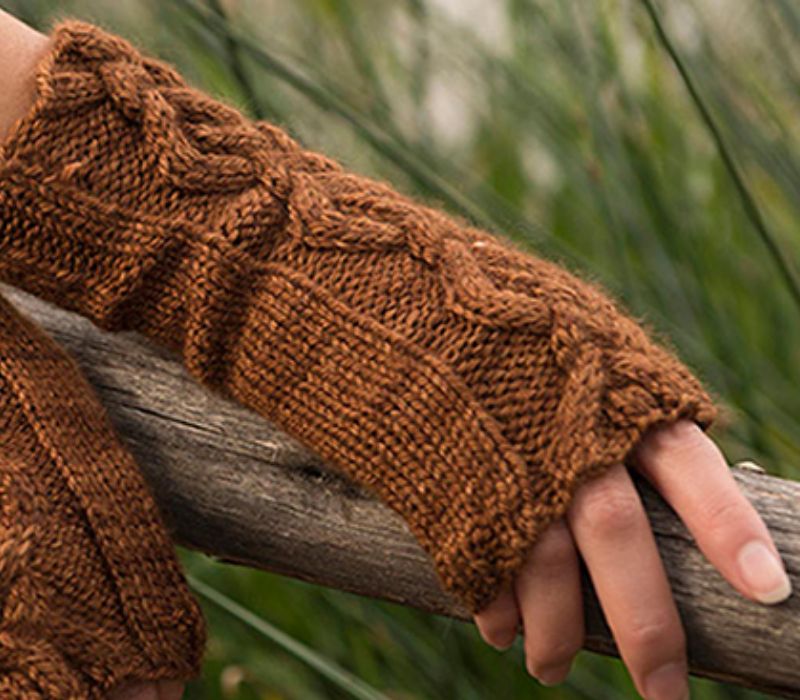
Knitting with alpaca is, in a way, continuing a millenary story that connects nature, culture, and design.
Unique properties of alpaca fiber
Alpaca is not only soft: it is versatile and surprising.
- Durability: alpaca garments can last for generations if properly cared for.
- Warmth: its internal structure retains heat efficiently without being heavy.
- Breathability: it regulates temperature, making it comfortable in different seasons.
- Variety of natural colors: from whites and grays to browns and blacks, alpaca offers the widest range of natural shades among animal fibers.
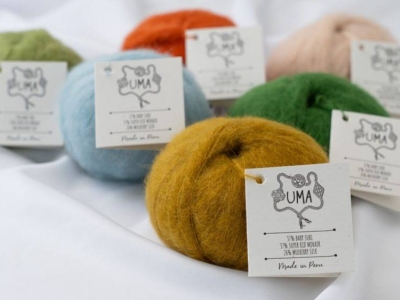
At AMANO Yarns, we celebrate this diversity with yarns such as Eco Puna and Eco Puna Black, which showcase the chromatic richness of alpaca in its purest state.
AMANO Yarns alpaca qualities
At AMANO Yarns we work with different classifications of alpaca, each with unique characteristics that inspire distinct projects:
- Baby Alpaca: used in many of our most special yarns, such as Puna, Eco Puna, and Puna Light. Its extreme softness and resistance make it the favorite for delicate and long-lasting garments.
- Royal Alpaca (19 microns): present in our Mayu yarn, where it is blended with fibers such as cashmere and silk. The result is versatile, sophisticated, and fascinating yarns.
- Imperial Alpaca (17 microns): the softest fiber of all. With it we create our Apu yarn, a true symbol of exclusivity and refinement.
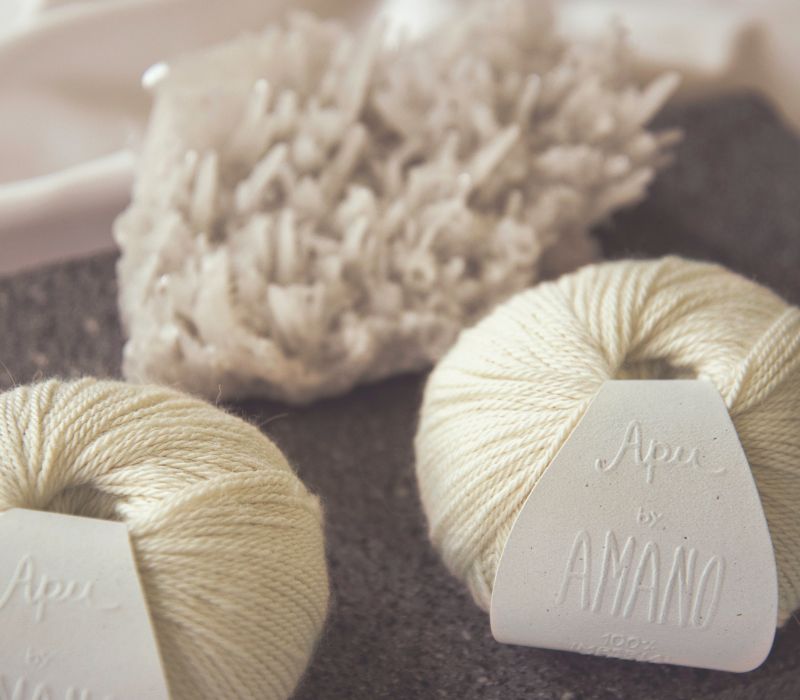
Each classification opens a world of creative possibilities, from lightweight accessories to luxury garments that convey elegance and tradition.
Alpaca and the environment
Beyond its textile qualities, alpaca is an example of sustainability.
- Low environmental impact: they produce abundant fleece and require little water and food.
- Gentle on the land: their padded hooves prevent soil damage, unlike sheep and goats.
- Gentle and unique animals: alpacas hum when they are happy, a charming detail that reflects their calm and kind nature.
Choosing alpaca also means choosing a fiber that respects nature and integrates into a responsible production cycle.
Tradition and community: the heart of alpaca
The raising of alpacas and textile craftsmanship are part of a millenary tradition in the Andes. Alpaca communities are highly skilled in treating and caring for this fiber, passing down knowledge from generation to generation.
At AMANO Yarns, we are proud to continue these traditions, which not only produce yarns of the highest quality but also benefit thousands of Andean families. For us, alpaca is at the heart of everything we do: it is the origin and foundation of our vision and of our love for the Andes.
Creating with intention and sustainability
Buying alpaca fiber is more than acquiring a material: it is participating in a story of tradition, nature, and conscious design. With AMANO Yarns, each skein of alpaca becomes a bridge between past and present, between community and creator, between the earth and the final garment.
Knitting with alpaca is knitting with intention. It is choosing a fiber that feels good, looks good, and lives better.