Organic cotton is not simply an alternative to conventional cotton; it is a statement of principles. Its cultivation avoids pesticides, herbicides, and synthetic fertilizers, reducing soil and water pollution, protecting biodiversity, and improving the health of farming communities.
From a technical perspective, organic cotton is associated with a lower water footprint and clearer traceability throughout the supply chain. For the textile industry, this means working with a purer fiber, free from chemical residues, that meets the demands of an increasingly conscious global market.
Ethical fashion and textile sustainability are no longer passing trends; they are requirements from consumers and brands seeking differentiation. In this context, organically grown cotton becomes a bridge between nature and design—a material that carries a narrative of respect and responsibility.
Palma: softness, strength, and natural movement
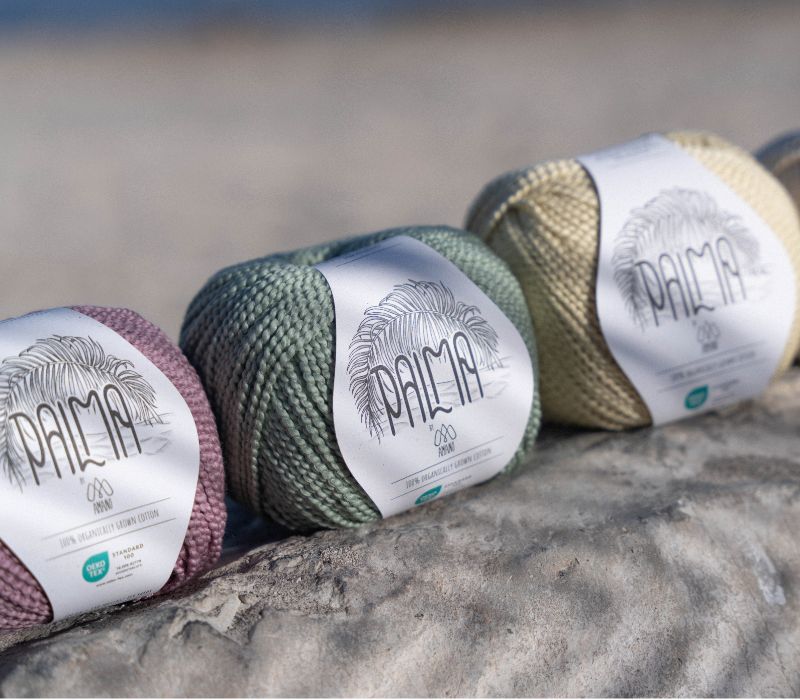
Within the AMANO Yarns portfolio, Palma is the undisputed protagonist. This 100% organically grown cotton yarn is distinguished by its undulating structure, inspired by the elegant lines of palm trees and the waves of the sea.
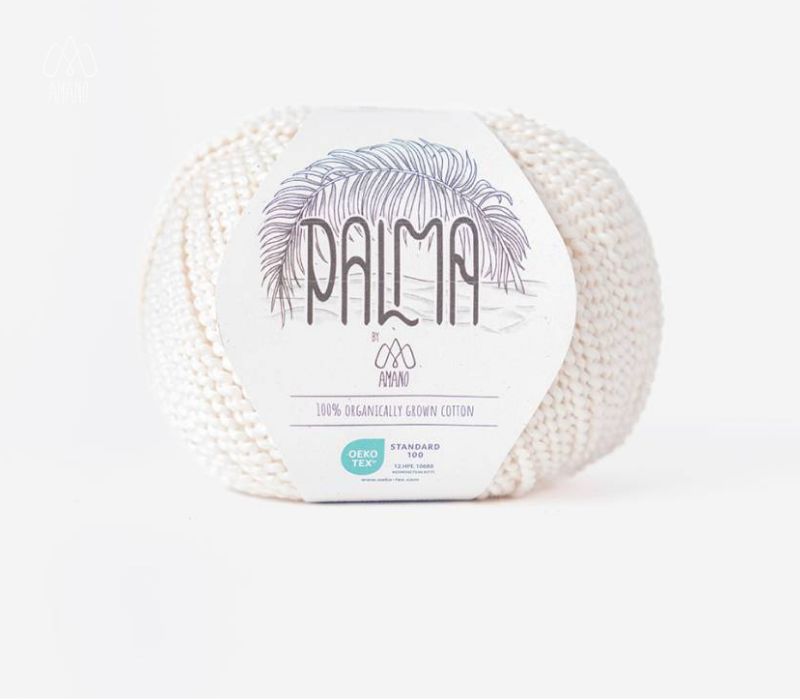
Palma, 100% organically grown cotton Its fluid texture adds depth and natural movement to every stitch, making it the ideal choice for lightweight garments, textured details, and projects that aim to convey freshness and natural beauty.
The uniqueness of Palma lies in its wavy construction, created by a thread that wraps around the roving and provides greater stability. This structure makes Palma a strong and reliable alternative for machine washing, as it maintains its shape and softness without wearing out like ordinary cotton. Thanks to this innovation, garments made with Palma not only preserve their texture and volume but also offer superior durability, making it an ideal choice for everyday use without compromising quality.
Palma combines softness and strength, offering designers, studios, and artisans a fiber that is easy to work with and that simultaneously communicates intention and elegance.
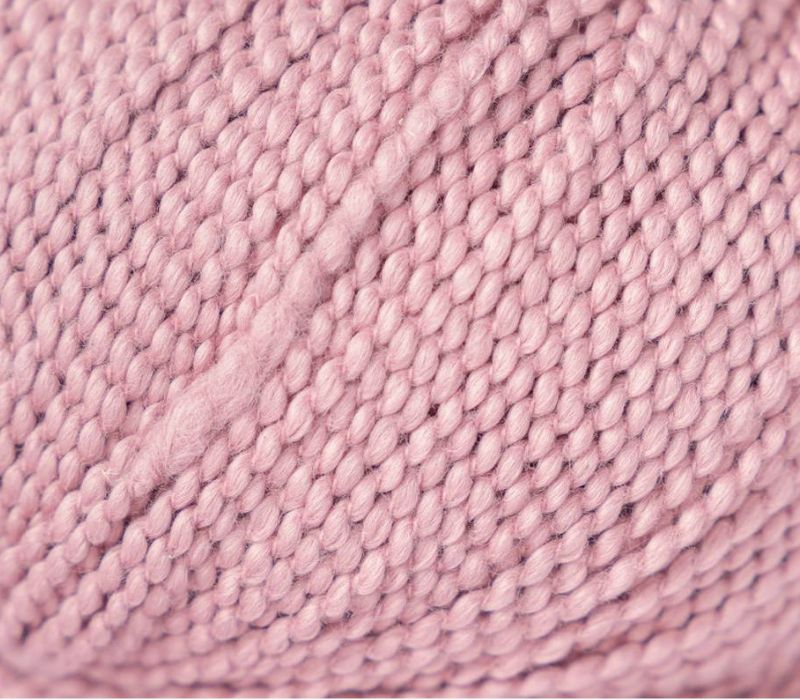
Palma, 100% organically grown cotton, Ash Rose. A unique attribute is its palette of 12 luminous and distinctive colors, developed to highlight the natural richness of the fiber and provide creative versatility. These tones allow creators to play with contrasts, harmonies, and textures, connecting with contemporary aesthetics while preserving the organic essence that defines Palma.
Certifications that inspire trust
Sustainability is not communicated only through words—it is validated through action. AMANO Yarns has expanded its portfolio with international certifications that reinforce its commitment:
- GOTS (Global Organic Textile Standard): ensures that the cotton is truly organic and that the entire production chain meets environmental and social criteria.
- RAS (Responsible Alpaca Standard): Verifies the welfare of the alpaca and the chain of custody, from the farms to the final product.
- OEKO‑TEX® Standard 100: Palma’s exclusive certification, ensuring that every strand has been tested against more than 300 harmful substances and meets the highest textile safety standards.
It is important to highlight that Palma, within the AMANO Yarns collection, is the only yarn certified under OEKO‑TEX® Standard 100, making it a unique and highly reliable product for projects that demand safety and sustainability.
AMANO Yarns does not view sustainability as an accessory but as the core of its proposal. By integrating natural fibers such as baby alpaca, royal alpaca, and merino with certified organic cotton, the brand builds a coherent narrative: respect for nature, appreciation of Peru’s textile tradition, and a commitment to responsible innovation.
Palma is the clearest expression of this narrative. Its organic origin, OEKO‑TEX® Standard 100 certification, and palette of 12 colors make it a symbol of how fashion can be ethical, aesthetic, and technically impeccable.
Environmental impact and the organic cotton market
According to Textile Exchange, organic cotton represents less than 2% of global cotton production, yet its annual growth exceeds 10%. This reflects a clear trend: consumers and brands are migrating toward certified and responsible fibers.
The environmental impact is significant:
- Reduction of up to 91% in blue water use (irrigation water).
- Decrease in greenhouse gas emissions by 46%.
- Improvement of biodiversity and soil regeneration.
For AMANO Yarns, working with organic cotton such as Palma is not only an aesthetic decision but also a strategic one: it positions the brand within a high-value niche where sustainability is a decisive purchasing factor.
Conclusion: creating with intention
Organically grown cotton connects nature and textile design because it carries a story of respect, traceability, and beauty. Palma, with its 12 unique colors and exclusive OEKO‑TEX® Standard 100 certification, is more than a yarn—it is a statement of principles.
Choosing Palma means designing garments that not only dress but also communicate a commitment to sustainability and conscious creativity. It is AMANO Yarns’ invitation to create with intention, beauty, and a touch of the wild.